|
|
|
|
|
25 YEARS OF EMPOWERING WOMEN AND GIRLS IN CAMEROON
|
|
|
|
|
 |
|
| March 2023 marked the 25th anniversary of ABEMO-WOMEN OF VISION. As part of our stocktaking and celebration we have been reflecting on a series to analyze the impact of ABEMO on women, girls, men, youths, women’s groups and communities in Cameroon. It is hard to believe that we have been serving this Organization for the past 25 years. We are so proud of the foundation we have built, the partnerships we have nurtured and the momentum we have achieved. |
| |
| |
| |
Our impact is grounded in our commitment to and shared vision with communities and partners around the world.
ABEMO-WOMEN OF VISION is a non-profit, Non-Governmental Organization created in March 1998 in the South West Region by female Elites in Cameroon. It envisions a just, compassionate and democratic society, where men and women participate equally in all aspects of life. Our Mission is to improve on the standards of living of women and children with objectives to; • Promote Human Rights and Peace in Cameroon.
• Promote continuing Education and Empowerment of women and girls
• Advocate / lobby for issues affecting the lives of women and girls.
• Stimulate public opinion on issues concerning girls and women and create a platform for discussions.
• Encourage the application of women’s knowledge and skills to their problems and their participation in solving them.
PROGRAMMES
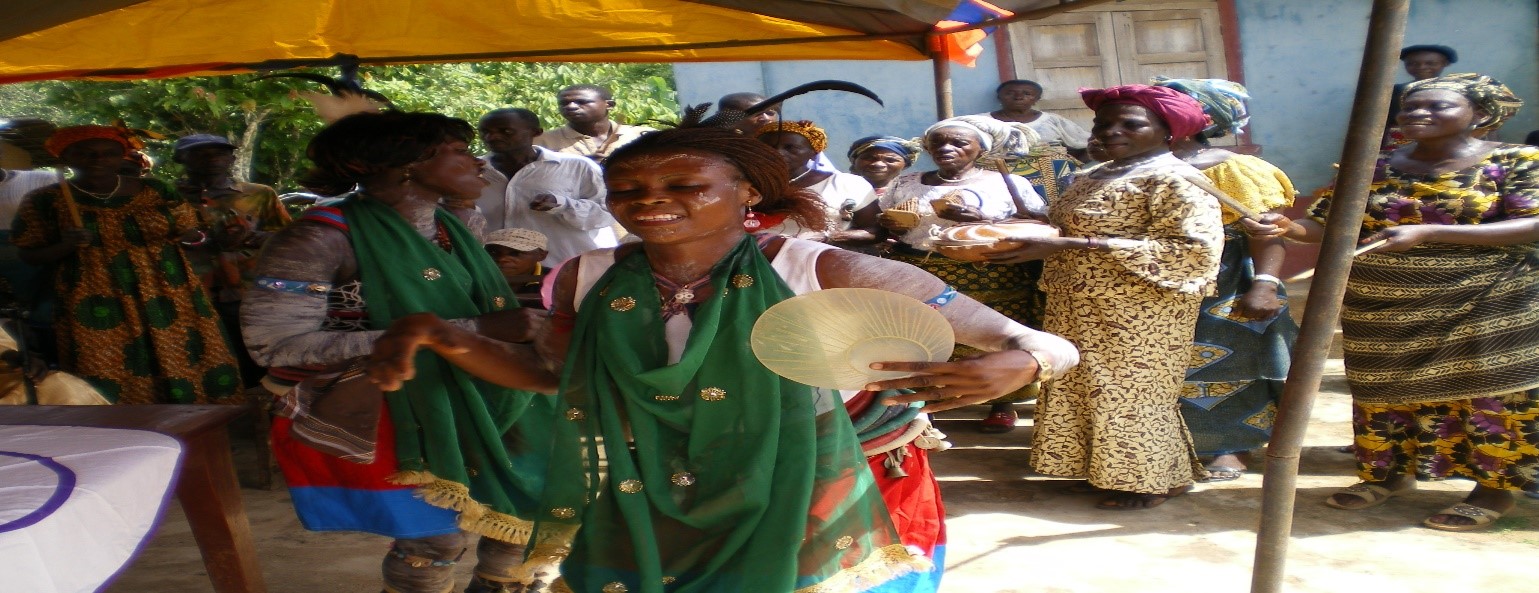
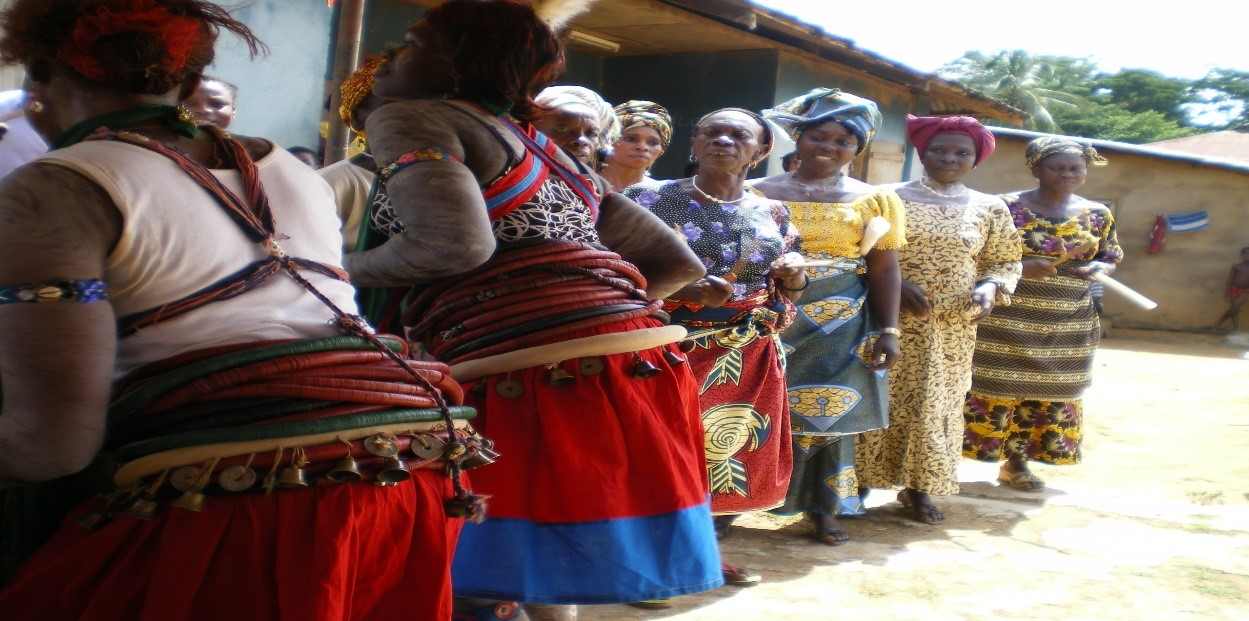
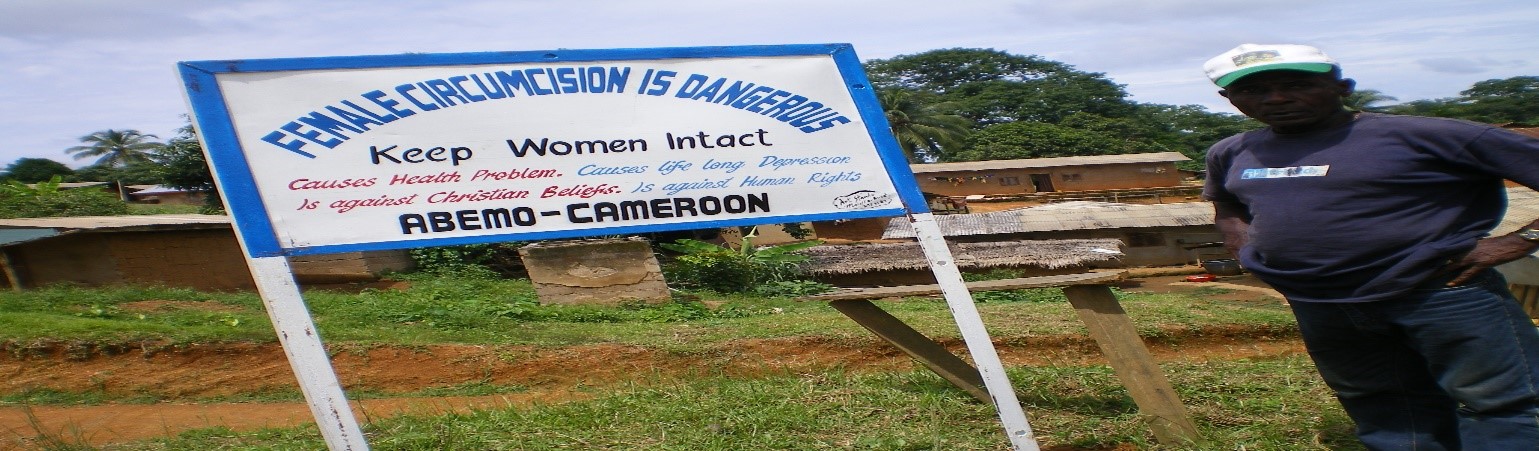
Civic Education on the Eradication of Female Genital Mutilation The project started since 2001 with the goal of building a general consensus in community on the eradication of FGM. The community believes that FGM initiates the girls into womanhood, controls female sexuality, controls birth rate and conserves the monogamous status of the women. The Programme involves sensitization meetings, workshops, community advocacy and mentoring. The discussions in all the meetings geared toward a general consensus to stop the practice but to continue the traditional dance of “Nkim” (performed by victim). |
| |
| |
| |
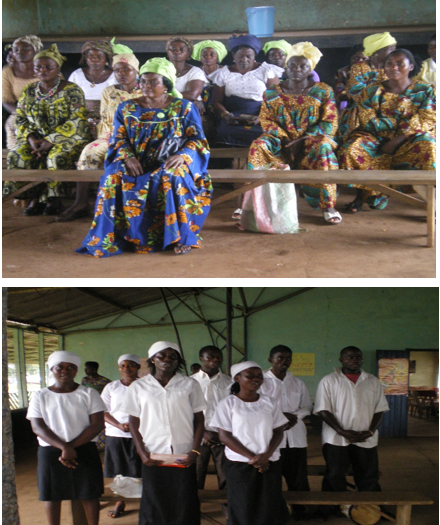
| FGM survivors performing Nkim dance in Otu village |
| |
| |
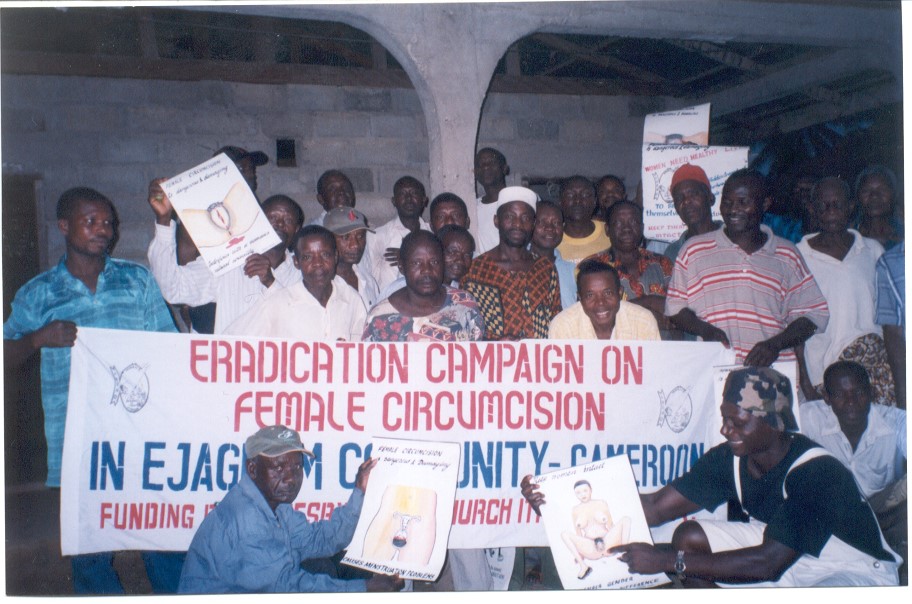
| FGM eradication campaigns in Eyumodjock communities |
| Evaluation of the project in 2005 revealed that seven of the nine communities primarily targeted do not have any new records, within the last three years. Whereas the other two Araru and Ekonemon-awa were still practicing FGM: possible reasons were linked to the fact that these communities were very isolated from the others and education was not intensive due to lack of enough resources. Through community sensitization and advocacy against this traditional practice, we achieved complete eradication in 21 communities out the 41 communities we have been working with in Eyumodjock sub division. ABEMO was the first Organization to lobby for a private member’s bill in the Cameroon National Assembly for our Anti FGM National Action. Thus the Organization brought to public the issue of FGM practice which people were shy to talk about and in 2016 a Law was finally passed at the National Assembly against this practice under section 277 of the penal code. This was a great stride towards Women’s empowerment in Cameroon. |
| |
| |
| Conflict Resolution Workshops |
| To help female leaders to better identify and understand conflict, resolve conflicts and establish a climate of cooperation in the families, groups and communities, ABEMO trained 40 women’s group leaders in the Southwest province of Cameroon. Workshops content included: Stages of Conflict Development; Early Warning signals of Conflicts; Sources of Conflict in the Community; Basic Ways for Handling Conflict in Life; Conflict Resolution Growth; Important Skills in Resolving Conflicts; Steps of mediation Session; Assertive Communication Skills; Active Listening Skill; Conflicts and Sustainable Development. |
| |
| Girls’ Access to Basic Educationa |
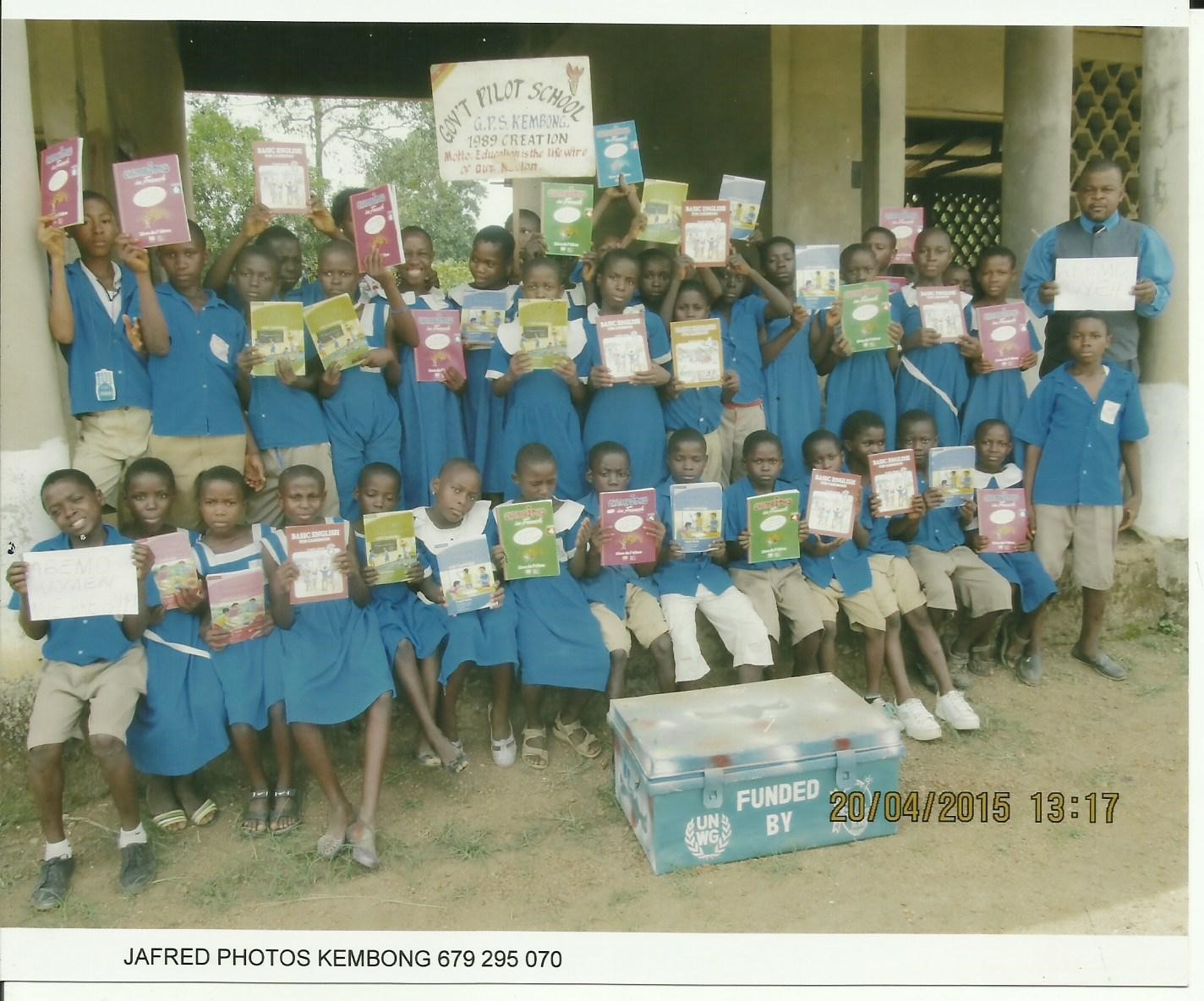
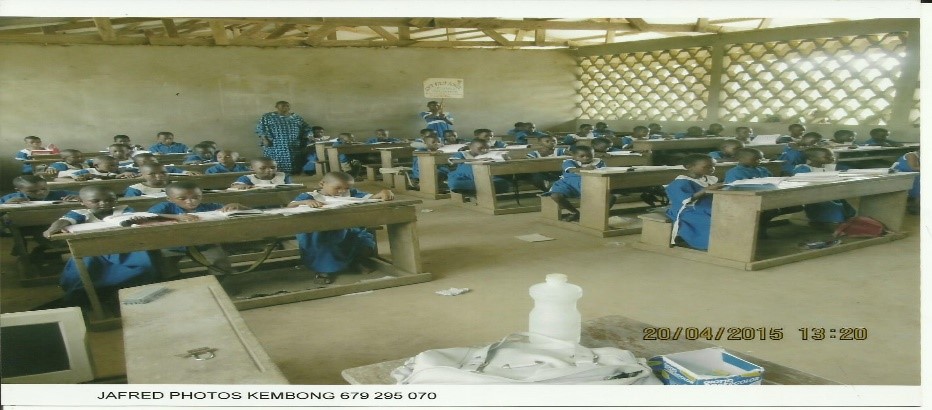
| The aim of this activity is to increase girls’ access to basic education in Ejagham Community, with the following objectives: Promote children’s rights to basic education, create awareness on issues, which have continual hindered girls’ access to basic education in the area and assist under privileged school pupils. |
| |
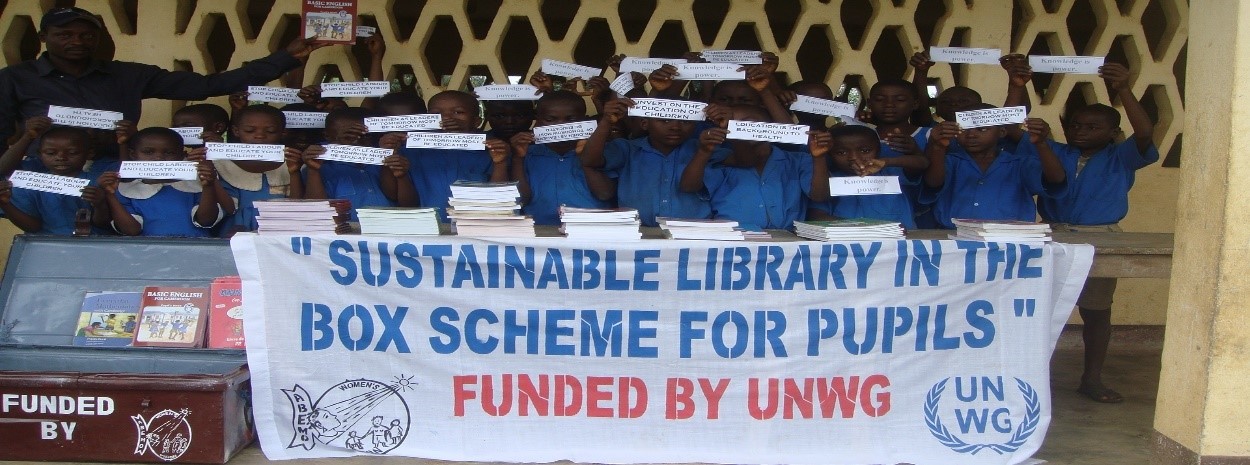
More girls and boys from 30 communities benefited; in Eyumojock sub division including, Inonkon, Ndepya, Out, Ewelle, Kembong and others. Activities include; sensitization and supply of basic school needs. Over 10.000 pupils in some primary schools in Ejagham area in Manyu, Meme, Ndian and Fako divisions received didactic material. Some girls were also awarded scholarships to further their studies in higher education institutions in the country.
|
| Gender Based Violence Prevention in Humanitarian Settings |
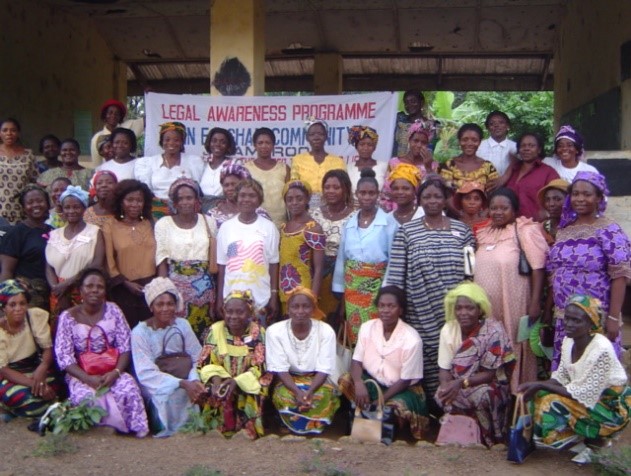
| Since 2002, ABEMO has been operating free legal educational services for FGM survivors and widowhood and other GBV survivors in Cameroon. These has proven to be a highly effective means of defending the rights of survivors of widowhood, sexual violence and other abuses, and they had a significant impact on the incidence of FGM in the region, as potential perpetrators recognized that there were now concrete consequences for the abuse of women. |
| |
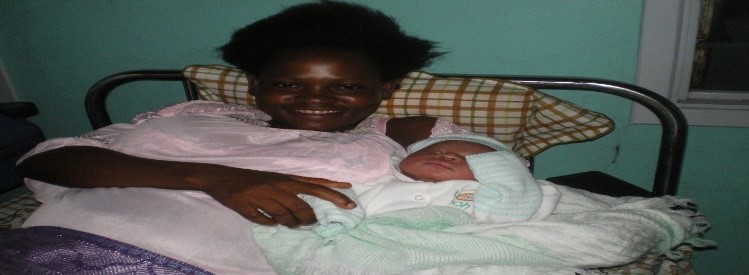
| GBV survivor in Ekona after a Cesarean section |
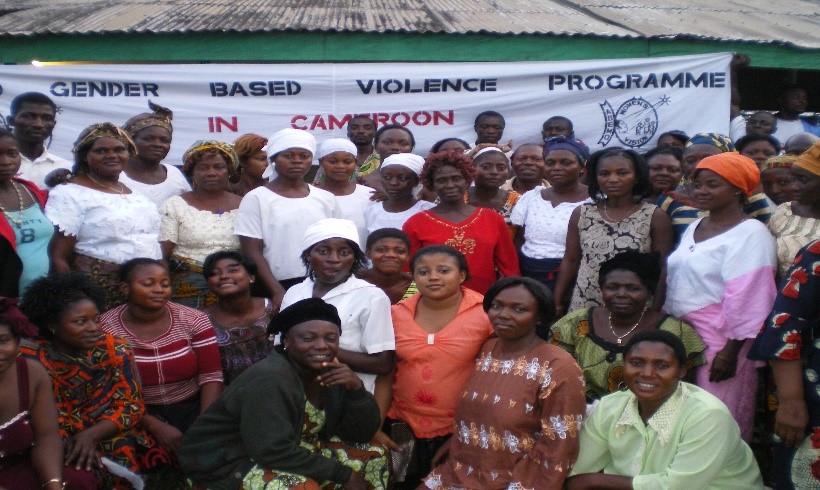
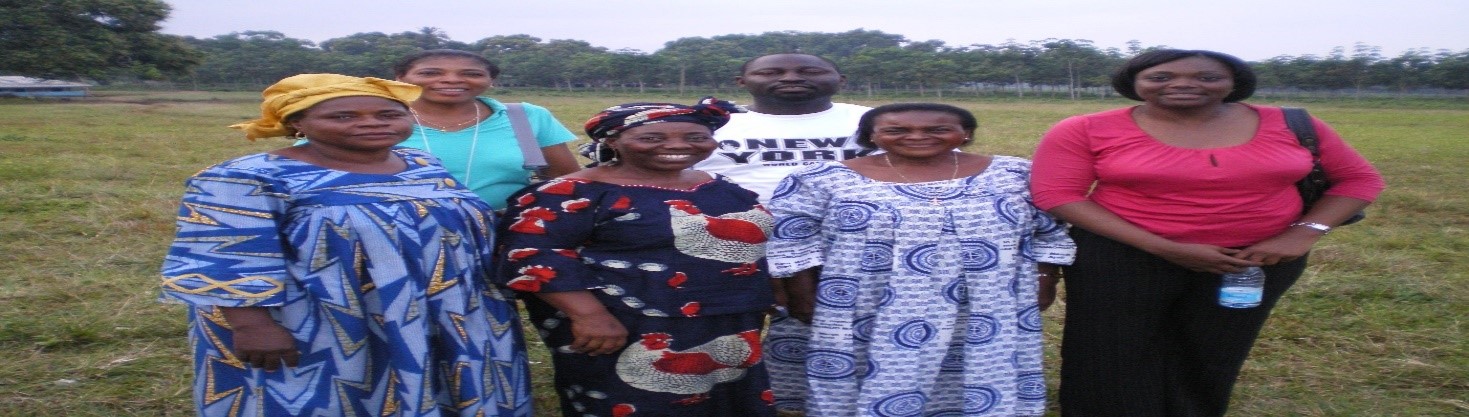
The problem of violence against women and girls is not restricted to the Ejagham—it is common among the Cameroonian population in the entire Southwest and Northwest as well. Combined with both a lack of knowledge of and poor enforcement of women’s rights, Cameroonian women and girls have little legal, medical, or educational recourse with regards to gender-based violence.
Thus, ABEMO runs the legal education and sensitizations services in the local communities in Southwest, providing free legal assistance to victims and training community individuals and groups on GBV issues.
The program targets women and girls in Southwest and in the region around Ejagham settlements.
The project also covers urban populations in Buea, Limbe, Tiko, Ekona, Meanja, Mamfe and Kumba towns and the villages - and rurally-based populations in the districts surrounding Eyumojock sub division and the some plantation camps in Fako division .
By increasing education about GBV and women’s rights in general, the program indirectly benefits the entire population of these areas, not just women and girls. 2005 / 06 activities were dedicated largely to sensitization, referral network, broadcast of radio messages, trainings, as well as provision of response and psychosocial services. |
| |
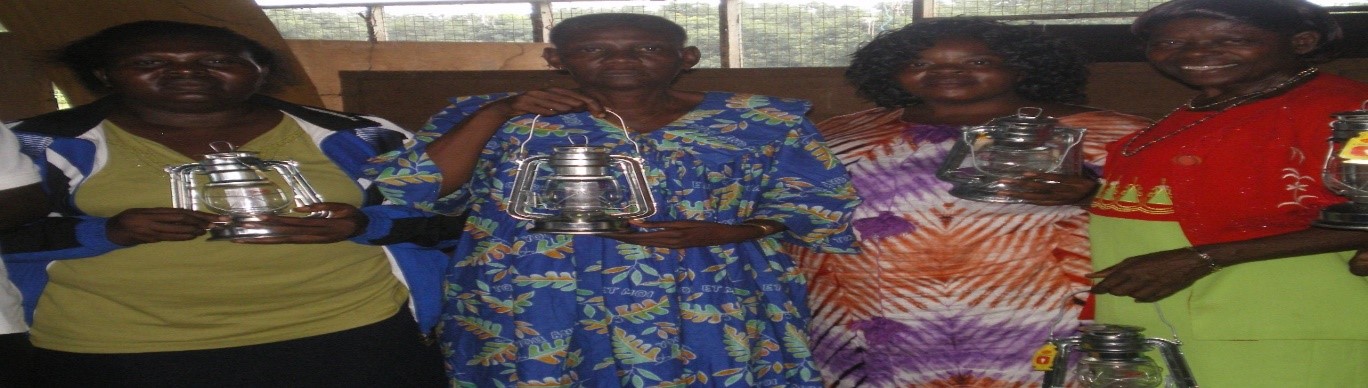
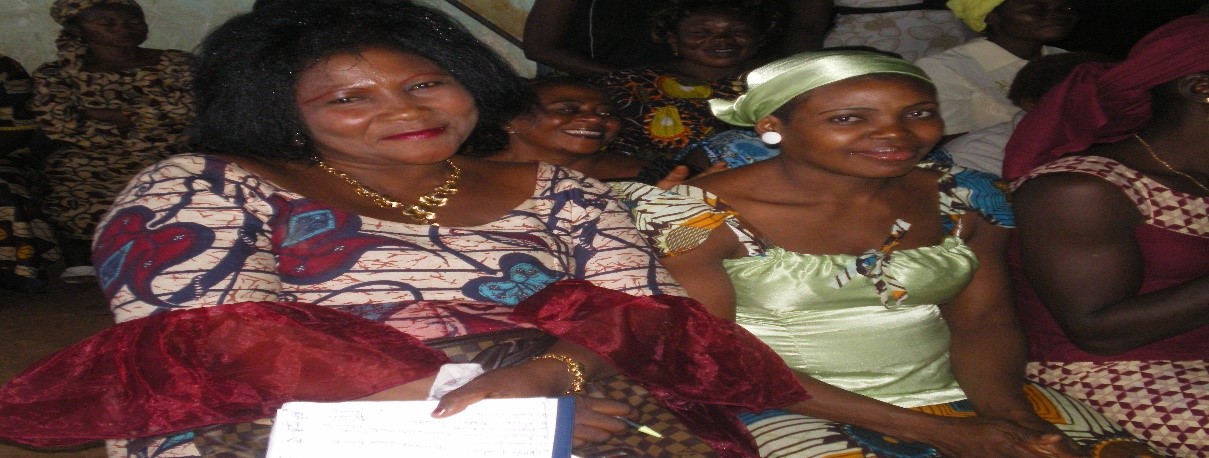
| GBV training in Meanja camp |
| |
| Micro Credit Scheme for women |
Women in the rural communities face the greatest challenge in being unable to participate in economic life. This has rendered them low self-respect and social dignity. Since inception ABEMO has been taking appropriate measures to equip them to attain their rightful places in the development process.
This Programme enables women to come out of their homes, organize with other women, establish their non-formal sector work into viable economic ventures, obtain grants, earn incomes, support their families, become more independent and participate in a world broader than their homes. Activities involved: Training on how to manage small-scale home businesses, keep financial records and save money.
Women in some settlements were trained on how to produce articles and home made goods for income as well as other skills in records keeping and savings. |
| |
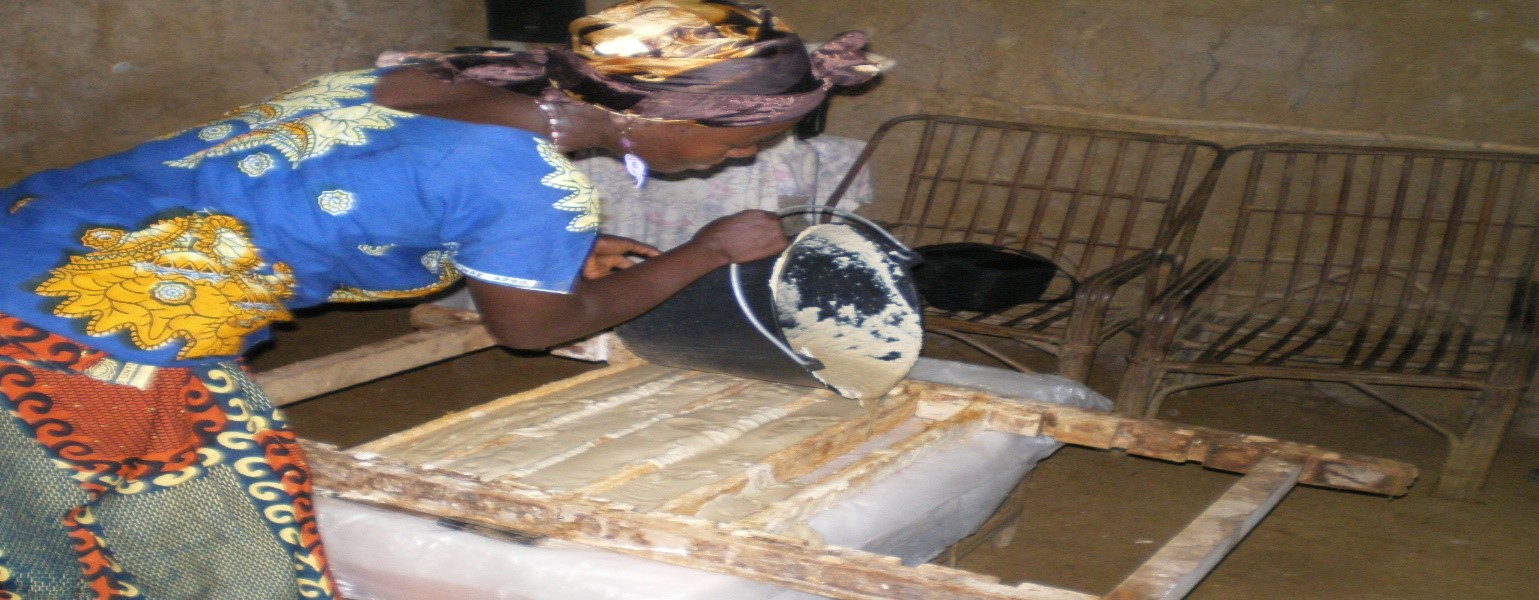
| Garri frying in Ogomoko Bush Mango or Ogbono business |
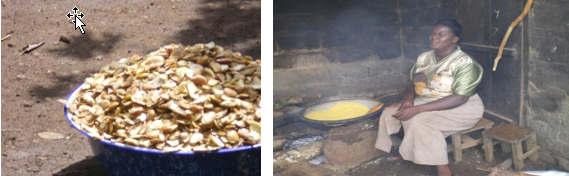
| Micro Credit / Seed Money to start small business was provided for women to start small businesses, while others who are in business and need to expend are also being supported. More than 150 women in Ewelle, Afap, Mfuni, Aja and Ogomoko are presently benefiting from the micro credit scheme. |
| |
| |
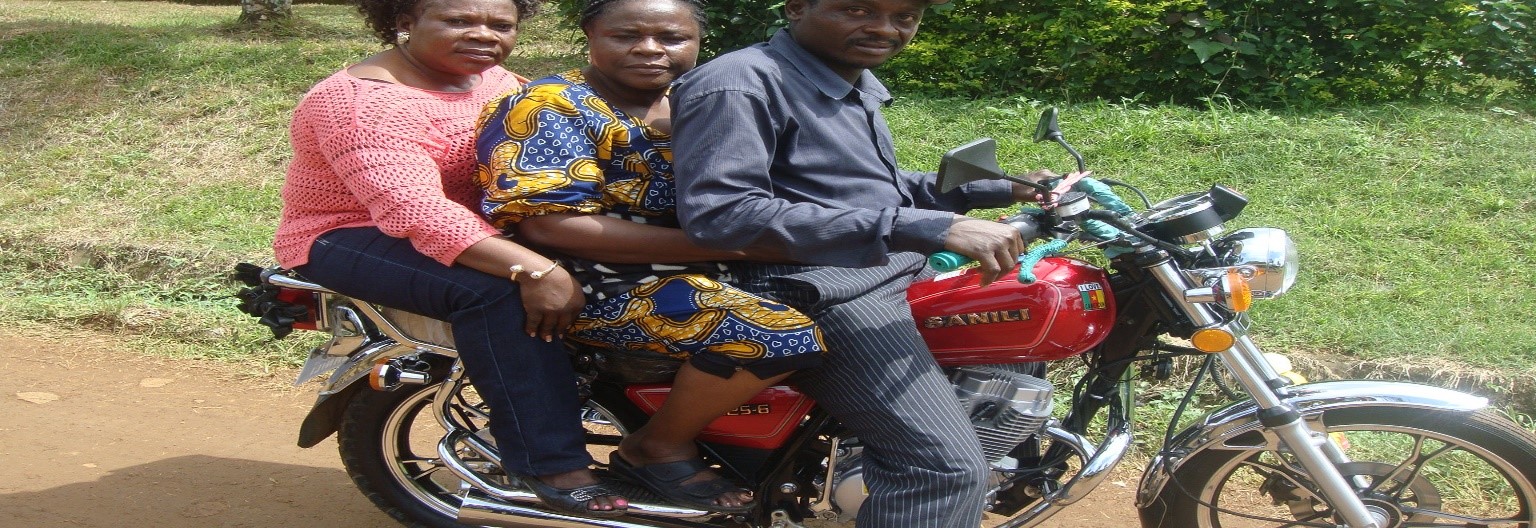
| ABEMO Team on a Motor bike to deliver micro credits to groups |
| Women were encouraged to open saving accounts in Credit Unions or other financial bodies and were assisted on procedure and preparation of registration papers for small businesses. Capacity building for women on crops cultivation and food security |
The project’s objectives included the following:
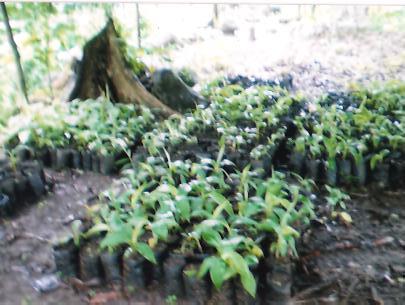
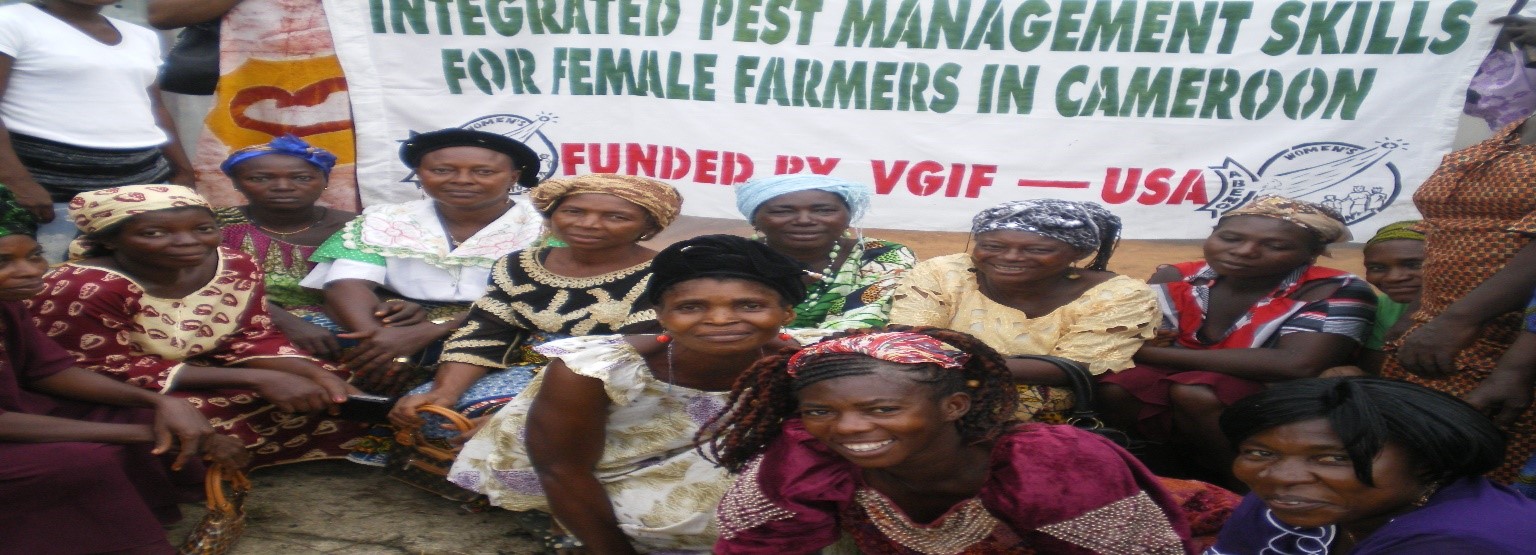
Women increasingly explore better agricultural practices, improved family nutrition and increased crop harvest for families. Target communities were Wotutu, Ekona, Bolifamba, Kembong and Malende. Activities carried out were: plantlets and plantains mini-sets multiplication, how to make a simple propagator, how to make local pesticides, distribution of improve maize seeds and water melon seeds to farmers, Pests and disease control methods, environmental awareness and climate change. |
| |

| |
| HIV / AIDS Education in communities and schools |
To promote the dignity and humanity of students and community members living in the forest region of Cameroon, ABEMO is providing HIV/AIDS prevention for vulnerable youth and community members.
ABEMO’s target population included the community population in the Eyumojock region, as well as urban students and community members in Manyu, Meme and Fako divisions. HIV activities reached the entire rural population in Kembong, Ajah, Ewelle, Afap, Ogomoko, and Eyumojock town, totaling approximately 10,000 students and community members.
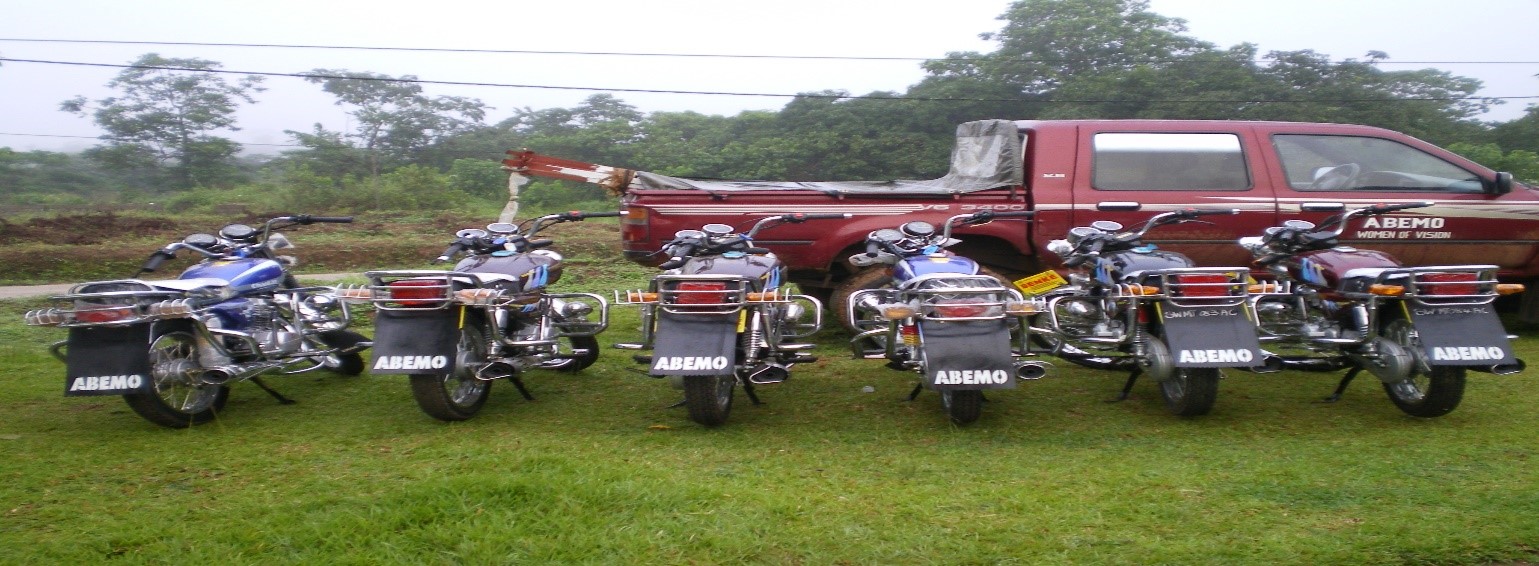
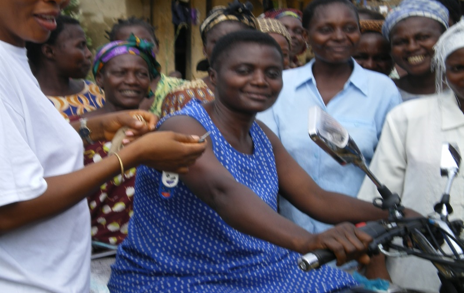
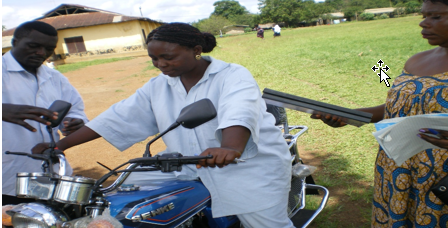
The program’s primary concern is community youth (12-25 years of age) in the settlements, who represent approximately 28% of the population. Out-of-school youths are reached in their places of work, at home, and in Off Licenses where youth regularly gather. Peer Liaisons also targeted religious and traditional leaders, and medical health professionals. Over the course the years, youth attendance at ABEMO organized health talks, video shows, and sensitizations were over 20,000 individuals and 30 peer educators formed over 100 peer groups. Activities carried out within this period embraced; peer education, Behavior Change and Communication (BCC), community trainings, and activities with health centers conducted by medical trainer. Transport facilities for Women Six (6) female motor bike riders were trained. This activity followed the donation of six moto bikes to women’s groups in the communities. Bikes are used for the following activities in the community of the recipient and it’s environed:
• FGM eradication campaign in rural inaccessible communities
• HIV/AIDS sensitization & education campaign
• Delivery and monitoring of micro credit scheme and materials
• Delivery support materials to girls under the scholarship Programme
• Convey women and children to health care centers and market
• Information messages of climate change |
| Capacity Building / Institutional Strengthening |
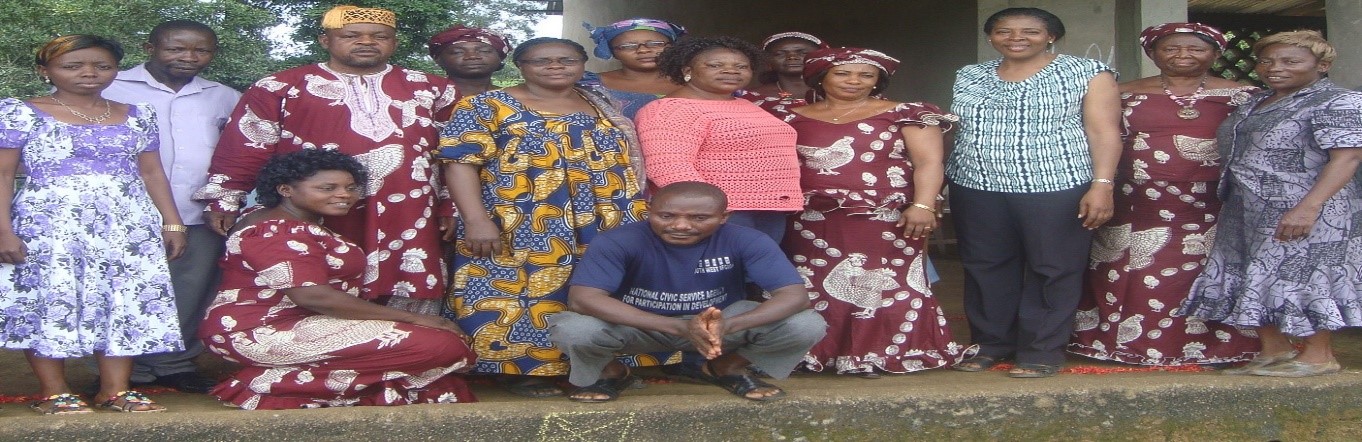
Capacity building seminars are intended to provide members with specific skills that they require to effectively implement their goals and become more visible in the community.
Members are provided with capacities in organizational dynamics, fundraising strategies, and how to develop log frames. National Conference With international working experience in humanitarian work, ABEMO members also participate in national and International conferences and seminars and also organized regional seminars and workshops.
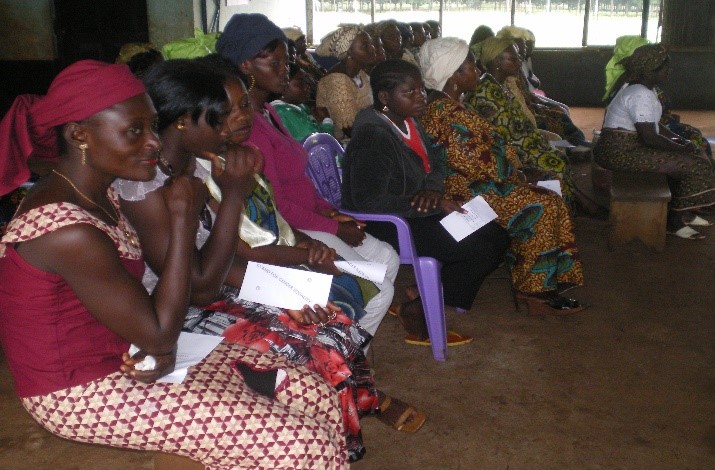
These workshops were attended by over 5000 women from both the Southwest and Northwest provinces. In 2018 three ABEMO members had opportunities to attend capacity building and training workshops on Monitoring, Documenting Human Rights Violations in Cameroon, Limbe Organized by Canadian High Commission and AFRICAphonie. Sixty (60) participants were present Networking. ABEMO always strives to get local partners, in 2018 ABEMO became a member of a Coalition of Women’s organization (SNWOT) in the South West and North West region whose main objective is to work to restore peace in Cameroon with a membership of over 100 women. ABEMO took part in the Lamentation for peace in Cameroon. ABEMO was also part of a workshop organised by National Endowment for Democracy USA in Buea- Cameroon in 2018. TRAINING ON PEACE BUILDING AND CONFLICT ANALYSIS ABEMO was part of a workshop on Peace Building that took place in Douala- Littoral in 2019.
With Efforts to end violence, address trauma, consequences, displacement and root causes of the crisis in the North West and South West regions of Cameroon. Topics discussed include amongst others; Different Approaches to Peace building Conflict Management: Mainly to manage and contain conflict violence Conflict resolution: Resolve contradictions in a conflict setting Conflict Transformation: It is a long-term major which addresses root causes and deals with the structural, cultural and personal aspects of conflict. 45 persons attended the workshop.
On- Site Visits
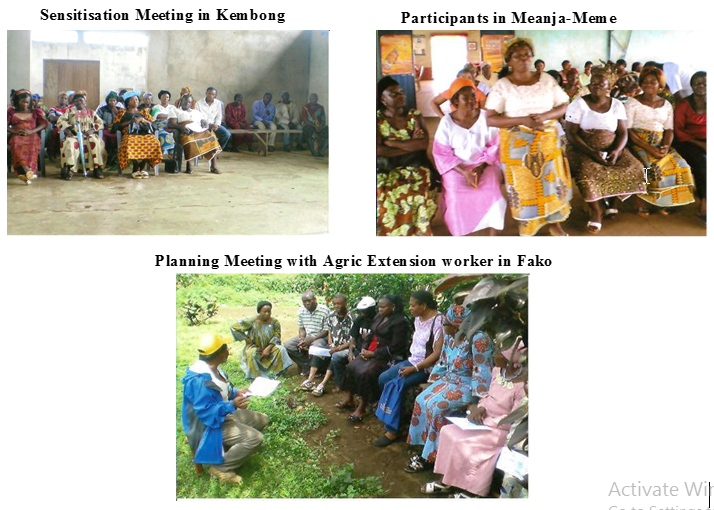
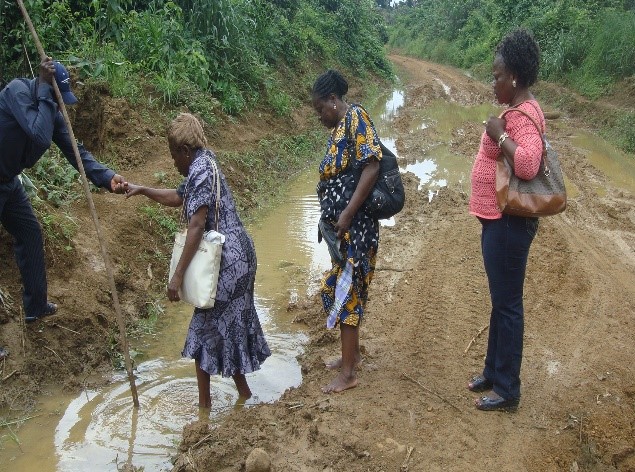
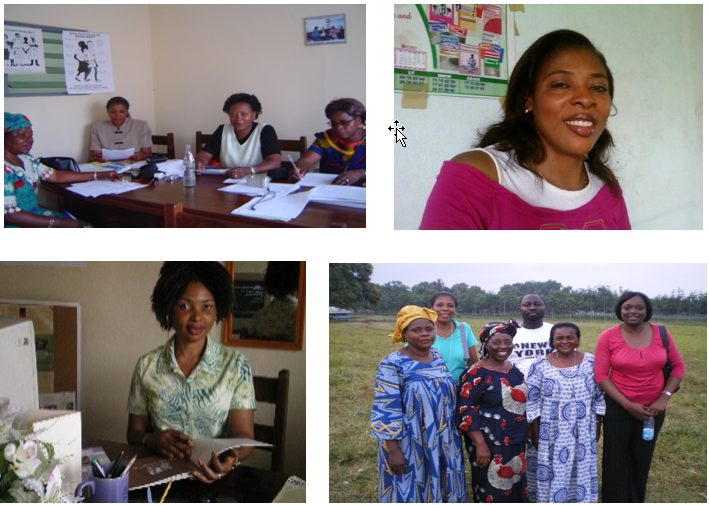
ABEMO Monitoring and Evaluation team usually makes on-site visits to evaluate the progress, participation and results of projects, HIV / AIDS, FGM / legal and Micro credit programs. ABEMO policy directs the organization to always visit on-going programs.
 |
| |
Ongoing and future activities
Gender Based Violence Prevention,
Organize workshops on climate change and women’s rights.
Sensitize communities on the importance of Basic Education
Health and sanitation programs in the communities.
Conflicts resolution and peacebuilding.
Net working
 |
| |
| |
| |
| Thank you to our donors and to our long-term partners and friends for their generous and continued support. |
| |
|
|
|
| |
|















